
ATTENTION: 2026 SOLAR prices updated
Find Solar Installers Near You
#1 at finding top solar installers at the best prices! Start by answering this quick question:
Do You Own Your Home?
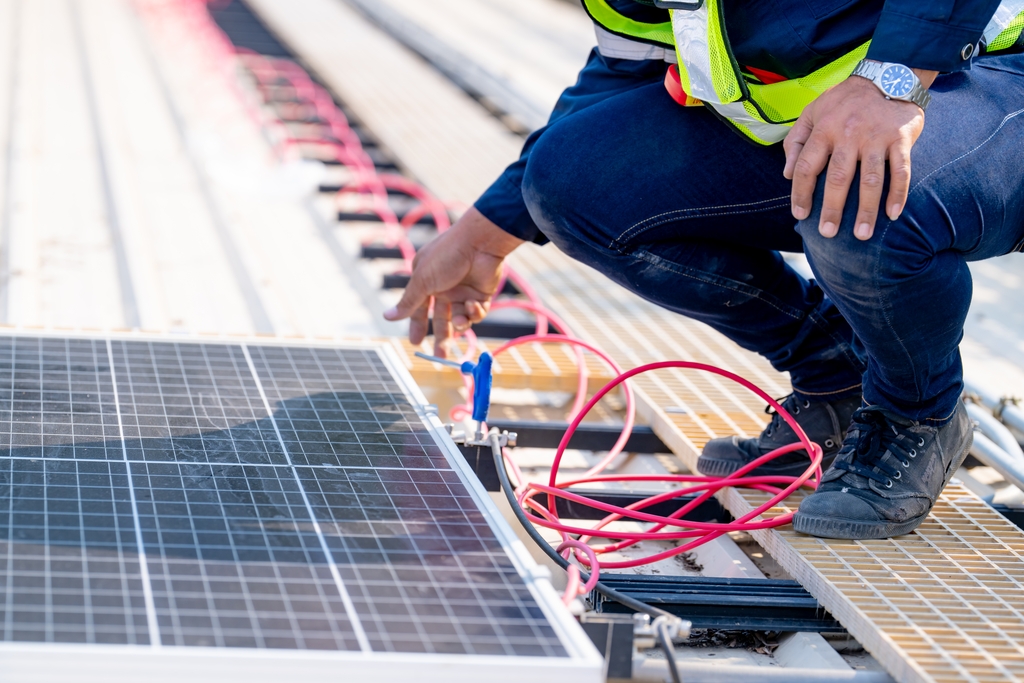
Local Solar Installation: A Complete Guide to Choosing the Right Provider for Your Home
Switching to solar power can cut your monthly electricity costs and shrink your environmental footprint. When you generate your own energy, you aren't as tied to traditional utility companies—there's a bit of freedom in that.
Solar panels also boost your home's value. They're a clean energy source, and honestly, they work in more ways than most people realize.
Finding the right solar installer in your area isn't as complicated as it sounds. You'll want to connect with local pros who actually get your region's rules and the incentives available.
The right installer helps you pick equipment that matches your budget and energy needs. A good one will make the installation process feel pretty painless from start to finish.
Key Takeaways
Solar panels can lower your electricity bills and bump up your home's resale value
Local installers offer quotes tailored to you and know the ins and outs of regional regulations
Comparing several installers helps you land the best equipment and pricing for your situation
What Does It Cost to Install Solar Panels?
Say Goodbye to Monthly Electric Bills
Installing solar panels comes with an upfront price tag—usually between $3 and $5 per watt. For most homes, that's $15,000 to $25,000 before you factor in tax credits or rebates.
The actual price? It depends on how much power your home needs. Take a look at your electric bills to get a sense of what system size you might need.
Here's a quick look at what different system sizes typically cost:
| System Size | Total Cost |
|---|---|
| 2 kW | $6,015 |
| 3 kW | $9,225 |
| 4 kW | $12,035 |
| 5 kW | $14,893 |
| 6 kW | $18,500 |
| 7 kW | $21,008 |
| 8 kW | $24,552 |
A standard home usually needs a 5 kW system to cover the basics. If you're in a bigger house or use a lot of electricity, you might need something closer to 8 kW.
Common Questions About Solar Installation
What is the typical cost of installing solar panels on a home?
The cost of solar panel installation isn't one-size-fits-all. System size, your home's energy needs, and your location all play a role in the final price.
Most residential setups fall somewhere between $15,000 and $25,000 before you apply incentives. A typical home uses a 6 to 8 kilowatt system, but your number might be different depending on your monthly usage.
Factors that affect installation costs:
System size in kilowatts
Type and quality of solar panels
Roof condition and complexity
Labor costs in your area
Extra equipment like batteries
You can get free quotes from local installers to see what your real cost would be. Most companies will check out your electric bills and suggest a system size that makes sense for you.
Who are the leading solar companies near you?
Your state has a handful of strong solar companies. Local installers usually offer better service than the big national chains—they know the weather and the permit process here.
It's worth researching companies based on their experience and what past customers say. If they're certified by the North American Board of Certified Energy Practitioners, that's a good sign.
What to look for in solar providers:
Current state licenses and insurance
Experience with local permits
Warranty coverage for both equipment and labor
Support after installation
Ask for references from folks in your area. And don't just trust reviews on one site—check a few platforms to get a fuller picture.
What should you evaluate when selecting a solar installer?
Picking the right solar company is a big deal—it affects your system's performance for years. It's smart to compare a few installers before you decide.
| Factor | What to Check |
|---|---|
| Credentials | State licenses, NABCEP certification, insurance |
| Experience | Years in business, number of installations |
| Equipment | Panel brands, inverter types, warranty terms |
| Financing | Payment options, loan terms, lease agreements |
| Service | Maintenance plans, monitoring systems, response time |
Try to get at least three quotes so you can compare. Ask about installation timelines and what happens if something stops working down the road.
Find out if they handle permits and inspections for you. Some do it all, others leave you with a stack of paperwork—worth asking up front.
How do customers rate a company's solar installation services?
Customer feedback is a great way to gauge a solar company's reliability. Check reviews across different sites to get a real sense of their track record.
Look at places like Google, the Better Business Bureau, and solar-specific websites. Pay special attention to comments about installation quality and how the company handles issues.
Important review aspects to examine:
How quickly and professionally they install
System performance after everything's up and running
How they respond to service requests
Clarity about costs and timelines
Customer support quality
Look for patterns in the reviews. Every company has a few bad reviews, but if the same complaint pops up a lot, that's worth noting.
If you've got questions about their process, reach out directly. How they handle your initial questions can say a lot about their overall support.
Are there special requirements for solar panels in certain climates?
Each climate brings its own quirks to solar panel performance. Rain, clouds, and salty air mean your installation needs a few extra considerations.
Solar panels still produce electricity on cloudy days, just less than on sunny ones. Modern panels are pretty good at grabbing the diffuse light that makes it through the clouds.
Climate considerations:
Panels need good drainage so water doesn't pool
Marine air can corrode cheap mounting hardware
Moss and debris show up faster in damp conditions
Snow loads can affect how panels are mounted in certain spots
Your installer should use corrosion-resistant mounting equipment—think stainless steel or aluminum. Those materials hold up better in humid, salty air.
Regular cleaning helps keep panels efficient in any climate. Rain does some of the work, but a pro cleaning once or twice a year isn't a bad idea.
Tilt angle matters more up north. Make sure your installer sets the panels to catch as much winter sun as possible—when you probably need the power most.
What financial help is available for homeowners going solar?
There are a handful of programs to help cut down your solar installation costs. Between federal tax credits and state or local incentives, going solar doesn't have to break the bank.
The federal solar investment tax credit covers 30% of your system's cost. This credit comes off your federal income taxes, and there's no maximum cap.
Available incentive programs:
Federal Solar Tax Credit: 30% of total system cost through 2032
Net Metering: Credits on your electric bill for excess power you produce
Sales Tax Exemption: Washington exempts solar equipment from state sales tax
Property Tax Exemption: Solar systems don't increase your property tax assessment
Some utility companies throw in extra rebates or incentives. It's worth giving your electric provider a call to see what's available in your area—programs change all the time.
Plenty of solar installers will walk you through applying for incentives. They'll usually help you figure out your potential savings, factoring in all the federal, state, and local programs.
Solar loans and leases are out there if paying upfront just isn't possible. Take some time to compare the total cost of financing versus paying cash—sometimes the numbers might surprise you.
Copyright 2026 | Reno Hub USA | Privacy | Terms & Conditions